Our role

The state and territory member Societies provide services to animals in need through their shelters and inspectorates. In the national office, RSPCA Australia works to influence animal welfare policy, practice and legislation across the country
Go to Our role

Key issues

The RSPCA advocates for the welfare of animals across a number of industries, issues and platforms. Help from our supporters is important to progress change. Working together is key.
Go to Key issues
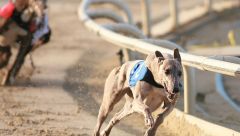
take action greyhound racing
Priority issue
Overbreeding of dogs, poor housing and…
Greyhound racing

News

Here you'll find the latest news relating to the RSPCA's vital work, press releases on national events, education on animal welfare issues, animal welfare science updates and our very own podcast covering a range of current topics.
Go to News
welfare of cattle
RSPCA welcomes inclusion of mandatory video surveillance in updated Animal Welfare Certification System
Read the media release

Support us

Whether you're an individual or a business, there are multiple ways you can support the RSPCA
Go to Support us
An animal in the RSPCA care being cared for by an RSPCA vet
Donate now to support your local RSPCA and make a difference to animal welfare across Australia
Donate

About

The RSPCA is an independent, community-based charity providing animal care and protection services across the country.
Go to About
about us national statistics
Read our National Statistics
Compiled on a national basis by RSPCA…
Annual statistics

Adopt

By choosing adoption, you’ll not only have the chance to make a friend for life, but you’ll be giving an animal a second chance and helping support the RSPCA.
Go to Adopt
adopt a pet logo
Visit the Adopt A Pet website
Make a difference to a pet’s life today.
Search Adoptapet

Pet Insurance

Helping you support your pet, and animals in need, through a new strategic partnership.
Go to Pet Insurance
Desktop Mobile Dog
RSPCA Pet Insurance
Protect your pet and help the RSPCA…
Get a quote
Subscribe now! Keep up to date with the latest animal welfare news
Scholarships

RSPCA Australia's scholarships program has supported many valuable research projects on a variety of animal welfare issues.

Every year, RSPCA Australia offers three scholarships to encourage students to take an active interest in animal welfare issues, to support animal welfare research that might not otherwise attract funding, and to promote the objectives of the RSPCA within the research community.

RSPCA Australia Sybil Emslie Animal Law Scholarship

This Scholarship celebrates the life-long dedication and advocacy that Sybil Emslie provided to the care and protection of animals in Australia. It aims to support the work of animal law undergraduate, Masters and PhD students and practising lawyers through the provision of a $2,500 cash grant.

RSPCA Australia Sybil Emslie Animal Law Scholarship
Year Name
2025 Taylor Jobling
2024 Frankie Bray
2023 Alexandra Whittaker
2022 Morgan Stonebridge
2021 Francesca Nyilas
2020 Ashleigh Best
2019 Tara Ward
2018 Britta Maunder
2017 Xanthe Shaw
2016 Dr Meg Good

RSPCA Australia Alan White Scholarship for Animal Welfare Research

The RSPCA Australia Alan White Scholarship for Animal Welfare Research was established in 1989 to advance the cause of animal welfare in Australia.

The scholarship is named after Mr Alan White, a past President of RSPCA Australia and a past President of RSPCA Queensland. The Alan White Scholarship is available to full-time or part-time students in Australian tertiary institutions for the funding of original research aimed at improving the welfare of animals in Australia. The scholarship award can be used towards any area of research that fits the general scholarship criteria.

RSPCA Australia is currently reviewing the scholarship program.

RSPCA Australia Alan White Scholarship for Animal Welfare Research
Year Name Project Title
2023 Heidi Monkman Human DNA detection and use in investigations of non-accidental injuries in animal abuse cases
2022 Victoria Condon Outcomes of feral horse management methods for horses, people and the environment - a One Welfare approach.
2021 Gloeta Massie Identifying the impacts of human attitudes and actions on the welfare of recused wildlife.
2021 Vijay Rawat Working like a dog: Examining the standards and practices related to the welfare of Australian therapy dogs.
2020 Carmen Glanville Identifying the human psychological and behavioural predictors of dog welfare in the home environment.
2019 Amber Brown Developing a novel electronic nose to combat the illegal trade of the native Australian reptile, Tiliqua rugosa.
2018 Gemma Ma Home is where the hound is: Pet ownership in remote New South Wales, Australia and the impact of Aboriginal Community Companion Animal Health Programs (ACCAHPs).
2017 Mark Kelman Can targeted communication and preventative vaccination programs for unvaccinated puppies and dogs lead to a decrease in new Canine Parvovirus cases in high-risk areas and during disease outbreak situations?
2016 Lily van Eeden The dingo in Australian society: public perceptions of dingoes and their management.
2015 Kendy Tzu-Yun Teng Awareness of and attitudes towards two major companion welfare issues: canine inherited diseases and cat obesity in Australia.
2014 Dennis Wormald Re-examining the critical socialisation period in dogs and its relevance to vaccination protocols in Australia.
2013 Cybele May Understanding the knowledge and attitudes of veterinarians regarding issues in cat overpopulation and how these impact on recommendations to clients in clinical practice.
2012 Trudy Sharp Factors influencing public perceptions of kangaroo management.
2011 Kylie Soanes Can road crossing structures be used to preserve arboreal mammal populations?
2010 Georgeanna Story Evaluating the survival of rehabilitated common wombats (Vombatus ursinus) released into free-living populations.
2009 Mia Cobb Examining the physiological effects of domestic dogs entering a kennel facility.
2008 Ian McDonald Reproductive and behavioural effects of a single injection Gonadotrophin Releasing Hormone (GnRH) vaccine on Eastern Grey Kangaroos.
2007 Aimee Jade Silla Hormonal induction of sperm release in the roseate frog (Geocrinia rosea).
2006 Patricia Lavery Investigation of PCB concentrations in coastal dolphins in South Australia: Threats to species health and links with parasitic lung nematodes (in progress).
2005 Lyndall Pettett The development of age related oral health care guidelines in zoos.
2004 Shuron Billman Characterising the psychological underpinnings of animal hoarders: a Central Queensland study.
2003 Susan de Burgh Animal welfare education for Australian indigenous and Papua New Guinean primary school children.
2002 Brad Page Reducing the incidence of entanglements on New Zealand fur seals in southern Australia.
2001 Sarah Wright Non-human animal rights - legislation, ethics and reform.
2000 Faith Walker The effects of habitat fragmentation on the genetic and social structure of the southern hairy-nosed wombat (Lasiorhinus latifrons).
1999 Daniel Rogers Identification of animal individuals by analysis of acoustic signals.
1998 No recipient
1997 No recipient
1996 Alison Murray Developing the natural behavioural repertoires of nocturnal mammals through enrichment techniques.
1995 No recipient
1994 Ramesh Sivacolundhu Effects of early age desexing of dogs and cats.
1993 Clare Rudkin Pecking and feather pecking in growing chickens.
1992 Steven McLeod Foraging behaviour of red kangaroos and sheep in arid New South Wales.
1991 Erica Seton Anaphylaxis associated with daily heartworm prevention treatment for dogs.

RSPCA Australia Hugh Wirth Humane Animal Production Scholarship

This scholarship category is available for individual research projects that are related to the development of humane alternative farm animal production systems.

RSPCA Australia Hugh Wirth Humane Animal Production Scholarship
Year Name Project Title
2023 Nooshin Hadavi Multi features biometric livestock identification based on efficient vision transformer
2022 Natarsha Williams Can an Animal Welfare Risk Assessment Tool (AWRAT) assist in predicting instances of poor livestock welfare on farms?
2021 No recipient
2020 Sandra Ospina Rios Does maternal contact via cow-calf suckling systems moderate the impact of disbudding on dairy calves?
2019 Laura Field Addressing the consequences of social deprivation experienced by artificially-reared dairy heifers: providing older social models for improved welfare, social and cognitive outcomes.
2018 Natalie Roadknight Investigating practical aspects of avoiding early cow-calf separation on dairy farms.
2017 Danielle Phibbs Evaluation of the effect of perches on leg strength and mobility in meat chickens as assessed in pen studies.
2016 Amelia Cornish Applying the behavioural change wheel to encourage higher welfare food choices
2015 Kate Chaplin (now Kate Dutton-Regester) Understanding dairy farmer intentions to make improvements to their management practices of foot lesions causing lameness in dairy cows.
2014 Lorelle Barrett Developing a methodology for behavioural demand in ducks.
2013 No recipient
2012 Joseph Steer Odours from Merino wool that induce a physiological response in the blowflies Lucilia cuprina.
2011 Sally Healy Australian consumers’ current knowledge of animal agricultural practices: the effect of knowledge on consumer behaviour.
2010 Rebecca Matthews A comparison of sow and piglet behaviour and productivity in the UMB farrowing pen compared to conventional farrowing crates.
2009 Emma Borland Role of shelter belts in free range systems in reducing the need for beak trimming.
2008 Aprille Chadwick Producer attitudes towards animal welfare and the adoption of least stressful reproductive technologies in goats.
2007 Samantha Bickell Investigating the effects of temperament on post parturient ewe and lamb behaviour without human interaction.
2007 Kate Lennon A study of the relationship between ewe behaviour and lamb survival and the heritability of temperament in a Merino flock.
2006 No recipient
2005 Matthew Bollen Evaluation of an integrated management system for controlling flystrike in the absence of mulesing.
By Alexandra Whittaker and Morgan Stonebridge

What is animal law?

Animal law crosses all areas of traditional law, including constitutional law, criminal law, and tort law among many others. For example, it can include issues as diverse as where the family dog should live after a relationship breakdown, to the legality of importing elephants, or keeping hens in battery cages.

However, a major area of focus within animal law is in relation to animal welfare. Animal welfare laws provide the rules that apply to animals in lots of everyday contexts, like farming and food production, scientific research, wildlife management, companion animals, zoos and entertainment, as well as the way animals are traded, transported and used more broadly.

Animal law is not just about day‑to‑day enforcement or what happens when the law is broken. Animal law looks at the philosophy behind the law, the values it’s built on, and how those values shape real‑world outcomes. That includes the practical realities of how systems are designed to promote transparency and accountability, who gets a voice in decision-making, and how laws are created, challenged and improved through advocacy. As a result, animal law sits right at the intersection of law, animal welfare science, ethics and public policy.
Why does it matter?

Animal law matters because animals are sentient beings that can experience pain, stress, pleasure and fear. The law is increasingly reflecting that reality by inclusion of sentience provisions in several states and territories. While animals have traditionally been treated as property, there’s growing recognition in legislation and court decisions (both in Australia and internationally) that animals’ capacity to suffer matters, and that their interests deserve more than symbolic protection.

It also matters because animals can’t speak for themselves or enforce their own rights. They are entirely reliant on humans whether that be lawyers, veterinarians, advocates, regulators or courts to act on their behalf. At the same time, community expectations around animals have shifted dramatically. Animal welfare is no longer a niche issue; it shapes what people buy, how industries operate, and what governments are expected to regulate. Animal law provides the tools to turn those expectations into real protections by creating transparent, accountable systems and ensuring decisions about animals are evidence based and ethically defensible.

Why should you study animal law?

Animal law is an emerging, exciting field that offers significant scope for interesting, interdisciplinary and challenging research. It also provides an opportunity to do work that is practically significant. Animal suffering is extensive and pervasive, and studying or practising animal law enables you to contribute to improving the protection of animals through reform, advocacy and education. As societal expectations around animal treatment continue to evolve, there will be increasing recognition of animal welfare as a pressing legal and political issue. With this comes a growing need for researchers, lawyers and advocates to develop the conceptual and doctrinal foundations of animal law and to advance the case for stronger protections.

What are some examples of animal law achievements over the last 10 years – how have they improved animals’ lives?

In Australia, one of the most important shifts has been a move towards greater transparency, oversight and accountability in industries that affect animals. This includes increased monitoring and regulation in places that were previously hidden from public view, like abattoirs and research settings, as well as stronger expectations around recordkeeping, reporting and independent review. We’ve also seen the gradual phasing out of practices that had long raised serious welfare concerns, such as live sheep export by sea, jumps racing, and the winding back or banning of greyhound racing in several jurisdictions.

Another significant development has been the increasing inclusion of animal sentience in legislation. While recognising sentience doesn’t automatically transform outcomes in courtrooms, evidence from places like New Zealand suggests it can matter over time by shifting how judges and decision makers think about animals’ interests. Rather than viewing animals purely as property, sentience provisions encourage courts to take welfare impacts more seriously, creating space for incremental but important changes in legal reasoning.

There have also been important changes in wildlife law and management. A good example is the regulation of kangaroo management across Australia. Over the last decade, legal frameworks have increasingly emphasised licensing, monitoring, reporting and welfare standards, including requirements around shooter accreditation, humane killing methods, quota systems and government oversight. While kangaroo management remains controversial, these legal controls reflect a shift away from unregulated killing towards systems that are more transparent, science informed and accountable, and that explicitly place animal welfare on the agenda rather than treating it as incidental.

Internationally, there have been even more ambitious developments. Courts in some countries have begun to recognise animals as holders of legal rights, not just objects of regulation, and constitutional protections for animals have emerged in parts of Latin America. Strategic litigation projects, such as Steven Wise’s work on legal personhood for nonhuman animals, have pushed courts to confront fundamental questions about legal status, dignity and moral worth. Together, these national and international developments show how animal law is slowly reshaping not just rules and practices, but the underlying assumptions about how animals fit within our legal systems.

RSPCA Australia Sybil Emslie Animal Law Scholarship

Sybil Emslie Scholarship Recipients

Profile: Morgan Stonebridge, Lecturer, Deakin University Law School and 2022 Recipient of the RSPCA Sybil Emslie Animal Law Scholarship

“The Sybil Emslie scholarship provided both a practical support to enable my research and a valuable form of recognition from the RSPCA.”

Dr Morgan Stonebridge is an emerging leader in animal law whose work bridges rigorous academic research with tangible legal reform. Awarded the Sybil Emslie Animal Law Scholarship in 2022, Morgan credits the recognition as a pivotal moment in shaping her career trajectory.

At the time, Morgan had just completed an Honours thesis examining the legality of calf-roping in Australia and was beginning a PhD exploring how empathy can foster enduring public support for animal protection law reform. The Sybil Emslie scholarship not only provided practical support but affirmed the value of pursuing animal law as a serious academic discipline, bolstering her confidence during the often-uncertain early stages of research.

Morgan's thesis sat at the intersection of legal doctrine and political philosophy, aiming to support both long-term reform and more immediate improvements to animal protections in Australia. Since receiving the scholarship, Morgan has completed her PhD and continues to develop a strong research and teaching profile, while maintaining engagement with the RSPCA with research relating to rodeo practices.

Among Morgan’s key achievements is her contribution to debates on the adequacy of animal welfare regulation in Australia. Her research spans issues including rodeo practices, the treatment of animals in domestic violence contexts, and the broader legal implications of animal sentience. Notably, her co-authored work on animal abuse within domestic violence settings helped inform advocacy efforts leading to amendments to Tasmania’s Family Violence Act, formally recognising animal abuse as a form of domestic violence.

Currently lecturing in animal law at Deakin, Morgan is a strong advocate for the study and practice of animal law, describing it as a dynamic and impactful field. With growing societal concern for animal welfare, she sees increasing opportunities for legal professionals and researchers to drive meaningful change through reform, education, and advocacy.

Profile: Francesca Nyilas, Lawyer at McCafferty Legal and 2021 Recipient of the RSPCA Sybil Emslie Animal Law Scholarship

“Winning the Sybil Emslie scholarship played a significant role in shaping my career by enabling me to pursue opportunities that align with my passion for animals and the environment.”

Francesca Nyilas won the 2021 RSPCA Sybil Emslie Animal Law Scholarship in recognition of her commitment to advancing animal and environmental outcomes through policy and practice. The scholarship played a pivotal role in shaping her career, enabling Francesca to pursue opportunities aligned with her passion for animals while expanding her career into the climate, planning, energy and infrastructure sectors.

Since receiving the award, Francesca has worked in climate change policy for the ACT Government, in planning and environmental law, and now as a lawyer in energy and infrastructure, with a focus on energy transition and renewable energy projects. Across these roles, she maintains a strong focus on the impacts of legal and policy decisions on animals and broader environmental outcomes.

Francesca describes herself as an environmental pragmatist, driven by the belief that the development of the environment and the protection of the environment and animals can be thoughtfully balanced. This perspective guides her approach to working with clients and within organisations to achieve practical, outcomes-focused results. Alongside her professional work, she continues to contribute directly to animal welfare through volunteer roles, including with the Australian Alliance for Animals, where she supports policy initiatives and advocacy campaigns aimed at strengthening protections for animals.

One of Francesca’s key achievements is co-founding the UNSW Animal and Environmental Law Society while completing her combined degree in law and international studies at UNSW, creating a dedicated platform for students to engage with animal and environmental law issues and explore diverse career pathways within these areas of law. The initiative not only raised awareness of these fields but also inspired her published research on animal welfare in international law.

Francesca strongly recommends studying animal law, emphasising its broad relevance across legal and policy areas, from environmental law to corporate regulation. She believes it equips practitioners with a critical lens to understand the impact of human activity on animals and the environment, while offering a strong sense of purpose. For Francesca, animal law represents a powerful foundation for contributing to meaningful, systemic change.

Profile: Alexandra Whittaker, Veterinarian and Associate Professor at the School of Animal and Veterinary Sciences, Adelaide University, and 2023 Recipient of the RSPCA Sybil Emslie Animal Law Scholarship

“The Sybil Emslie Scholarship connected me with a wider animal law community and reinforced my commitment to work at the intersection of law, animal welfare and policy.”

Alexandra Whittaker received the RSPCA Sybil Emslie Animal Law Scholarship in 2023, in recognition of her commitment to advancing animal law through research, education and advocacy. Winning the scholarship marked a turning point in her career, granting both confidence and capacity to pursue animal law more seriously. It also reinforced Alexandra’s view of the field as both legitimate and impactful, enabling her to deepen her work at the intersection of law, animal welfare, ethics and policy, while connecting her to a wider community of practitioners and scholars.

Alexandra’s approach to animal law is grounded in the belief that it is not an abstract or symbolic discipline, but one that actively shapes the realities of animals’ lives. Her work highlights how law influences transparency, accountability and decision-making, and how it can evolve to better reflect growing recognition of animal sentience and the need for meaningful protections.

A defining achievement in Alexandra’s career has been making animal law accessible to non-legal audiences. Through teaching Adelaide University students in animal science and related and unrelated fields, she equips future professionals to understand how law shapes their day-to-day work, empowering them to engage confidently in legal and policy debates. By bringing together science, ethics, lived experience and regulation, she encourages others to see law as a practical tool for change and a means of bridging gaps between disciplines.

Alexandra strongly recommends studying or practising animal law to make a tangible difference for animals who cannot advocate for themselves. For Alexandra, animal law is both intellectually challenging and deeply rewarding, offering a powerful avenue to drive ethical, evidence-based and lasting change.

subscribe box

Stay informed on big issues and how you can help improve animal welfare across Australia.

Subscribe today and we’ll keep you updated on all the latest campaigns, events and news.